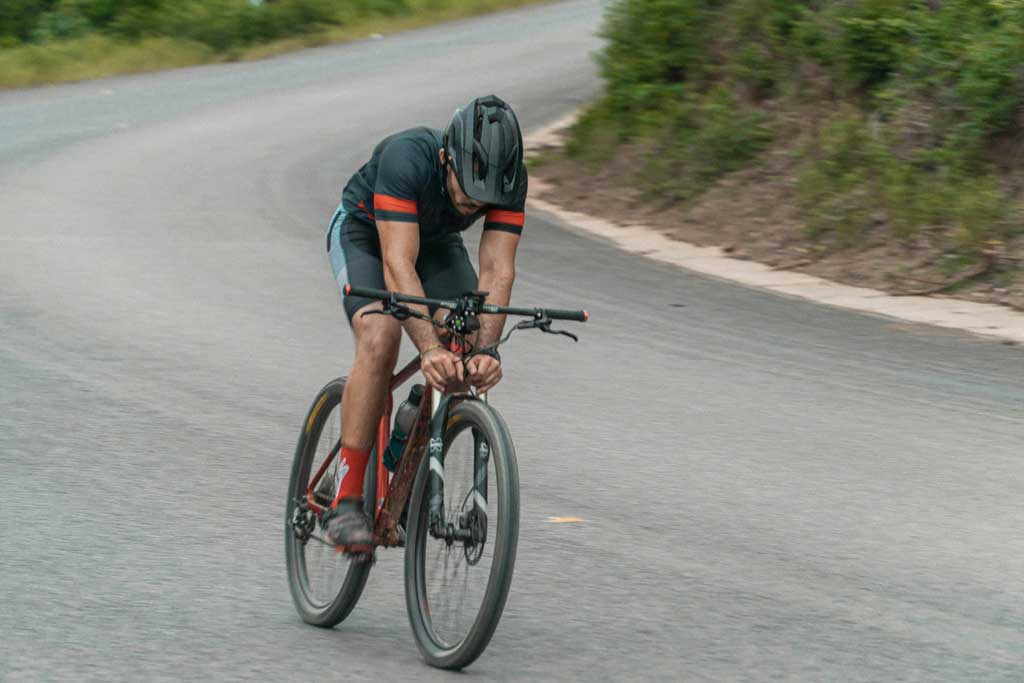
For cyclists, long rides bring a unique sense of freedom — the rush of wind, the rhythm of pedalling, and the open road ahead. But for some, that freedom is interrupted by something few people talk about: the challenge of bladder control during exercise.
Whether it’s post-childbirth changes, age-related factors, or high-impact training, occasional leaks can make rides uncomfortable and mentally distracting. That’s where an incontinence pad can quietly transform your cycling experience — offering protection, control, and peace of mind.
Understanding Why Leaks Happen When Cycling
Cycling is a high-endurance sport, but even though it’s low-impact, it places consistent pressure on the pelvic region. Over time, that can affect pelvic floor muscles, especially for those who’ve had children or naturally experience a weaker pelvic floor due to age or health.
Add the jarring motion over uneven terrain or the occasional sprint climb, and it’s easy to understand why leakages can occur mid-ride. Many riders assume this only affects older cyclists, but studies show both men and women, especially endurance athletes, can experience bladder control issues. It’s not a sign of weakness — it’s a physical response the body makes to repeated strain and pressure.
How an Incontinence Pad Helps You Keep Moving
Stopping mid-ride to find a toilet or clean up can quickly derail momentum and enjoyment. Using an incontinence pad is a simple, discreet solution that helps cyclists focus on performance rather than discomfort. Modern designs are slim, breathable, and shaped to move with your body — not bulky or noticeable under tight cycling gear.
Unlike standard sanitary pads or tissue substitutes, incontinence pads are built for both absorption and odour control, helping manage small leaks without irritation. The result? You stay dry, comfortable, and confident on long rides, even when water breaks aren’t an option.
Comfort Meets Performance: What to Look For
If you’re considering using an incontinence pad on your rides, comfort should top your checklist. Look for pads with soft, hypoallergenic materials and moisture-locking technology.
Cyclists often prefer products that offer a close fit with flexible edges to minimise friction when pedalling. Some brands even design sport-friendly versions that wick away sweat alongside moisture, keeping the skin cool and dry. Choosing the right size and absorbency level is also key — light protection is often enough for active use, while heavier pads may feel unnecessary and restrict movement.
Breaking the Stigma Around Bladder Support
Despite affecting millions of people, urinary incontinence still carries a sense of embarrassment, especially in fitness communities.
But consider how common tools like compression shorts, performance gels, or hydration packs are — all designed to enhance the ride. An incontinence pad is simply another piece of smart kit that supports your body’s needs. Professional athletes across sports quietly use similar aids to maintain focus and prevent discomfort. Open conversations about incontinence in cycling can help normalise what is, in reality, an entirely manageable issue.
Maintaining Pelvic Health Alongside Protection
An incontinence pad should complement, not replace, pelvic health support. Strengthening your pelvic floor through targeted exercises can significantly reduce leakages over time.
Movements like Kegels or using a pelvic floor trainer can rebuild muscle tone and control, allowing you to rely less on pads in the future. Hydration also plays a surprisingly big role — avoiding fluids before rides can actually worsen leaks, as a concentrated bladder irritates the muscles further. The balance comes from healthy hydration and regular pelvic floor training, supported by practical protection when needed.
Enjoy the Ride Without Disruption
Cycling isn’t just about speed or endurance; it’s about consistency and joy.
If bladder control has held you back from longer, more adventurous rides, it doesn’t need to anymore. Incorporating an incontinence pad into your cycling routine can remove anxiety from the equation, letting you refocus on your fitness goals, scenery, and sense of accomplishment. Sometimes, the smallest piece of gear can make the biggest difference — ensuring you can keep pedalling, uninterrupted.
Featured image credit: Pexels.