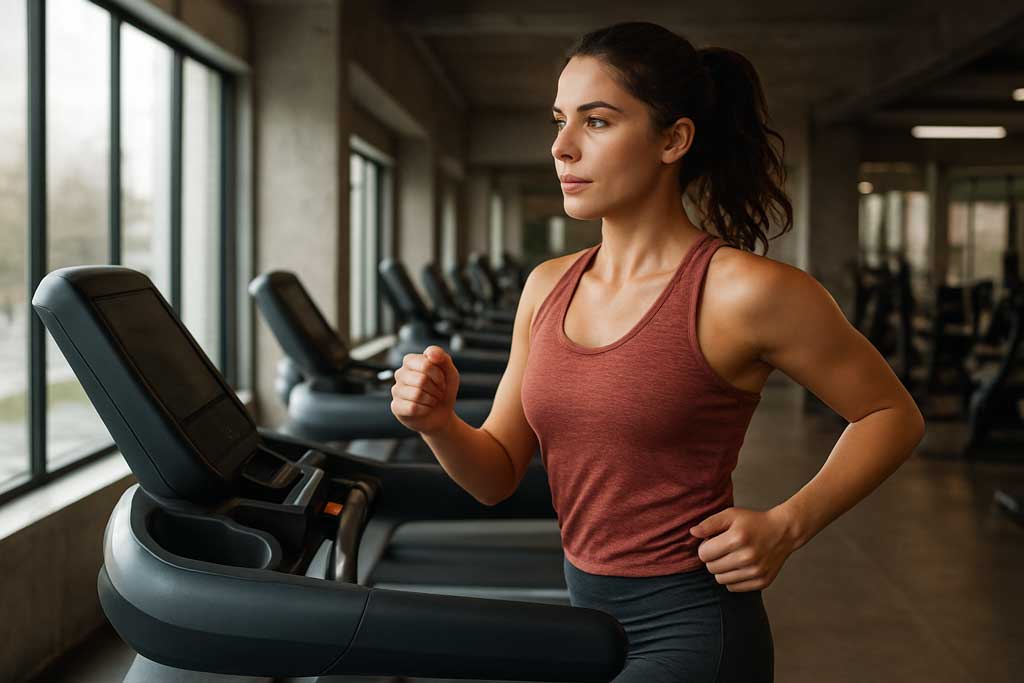
When you walk into the gym, chances are you pay attention to your workout routine, not the inner workings of the machines. Yet, every treadmill, spin bike, or rowing machine owes its seamless motion to a small but essential component — the bearing.
Without bearings, most fitness equipment would quickly grind to a halt, quite literally. Bearings make movement possible, ensuring your workouts feel fluid, safe, and efficient every single session.
Bearings are precision-engineered elements that support rotation and reduce friction between moving parts. Whether you’re pedalling, lifting, or rowing, bearings enable parts to move smoothly with minimal resistance. In fitness equipment, that translates to better performance, a quieter gym environment, and equipment that lasts significantly longer.
Why Bearings Are Vital for Fitness Equipment
The design of gym equipment places immense stress on mechanical components. High-speed movement, repeated strain, and vibration all take their toll. Bearings absorb and manage this pressure, maintaining stability and alignment between connected parts.
For example, in treadmills, bearings help the belt and rollers rotate consistently so you can run naturally without slip or drag. In spin bikes, they allow for controlled pedal rotation, supporting riders of different weights and intensities. And in resistance machines, bearings ensure that cables, pulleys and joints move in perfect synchrony with your movements — preventing wear while maintaining smooth resistance.
Without reliable bearings, mechanical parts would wear down rapidly, creating jerky, inefficient workouts that could even increase the risk of injury.
Different Types of Bearings in Fitness Machines
Not all bearings serve the same purpose; each type has a specific job depending on the equipment. Knowing this helps you understand the engineering excellence behind the machines you use daily.
- Ball bearings: The most common type, used in treadmills, exercise bikes, and ellipticals. They support rotational motion and reduce friction during use.
- Roller bearings: Designed for higher load capacities. Found in strength machines and equipment exposed to repetitive heavy motion.
- Bushings (plain bearings): Used where movement is slower or more linear, such as weight stack guide rods or pivot points on resistance machines.
Every bearing type contributes to the stability and feel of the equipment, balancing durability and smoothness based on its specific function.
How Bearings Influence Your Workout Experience
You might not notice them when everything’s working properly — and that’s the point. Bearings make gym sessions feel effortless. When well maintained, they give equipment that “like-new” feel, with consistent resistance and quiet operation. On the other hand, when bearings wear out, you might sense a grinding sound, vibration, or uneven movement.
High-quality bearings also reduce energy loss within the machine. This is especially important in motorised fitness equipment, where less resistance from friction means less strain on the motor, conserving energy and reducing maintenance costs over time.
Maintenance and Longevity: Why Quality Matters
For gym owners and users alike, quality bearings represent value over time. Low-grade or unsealed bearings can fail prematurely, leading to more frequent repairs. Professional-grade equipment typically incorporates sealed bearings that resist dust, sweat and moisture — key factors in the demanding environment of a gym.
Routine checks and lubrication (for non-sealed types) can extend a bearing’s lifespan dramatically. When servicing fitness equipment, replacing worn bearings can restore performance instantly and prevent costly breakdowns. Investing a little time in maintenance goes a long way towards preserving the equipment’s longevity and the user’s safety.
The Unsung Hero of Modern Fitness
In the world of fitness technology, flashy touchscreens and smart tracking features often steal the spotlight. Yet, without bearings, none of that innovation would matter — the machines simply wouldn’t move. Bearings ensure every stride, push, and pull happens with mechanical precision.
Next time you step onto a treadmill or clip into a spin bike, think about the smooth motion beneath your feet. It’s powered by something small but mighty — the bearing — quietly keeping your fitness journey in motion.
Featured image credit: AI generated.